
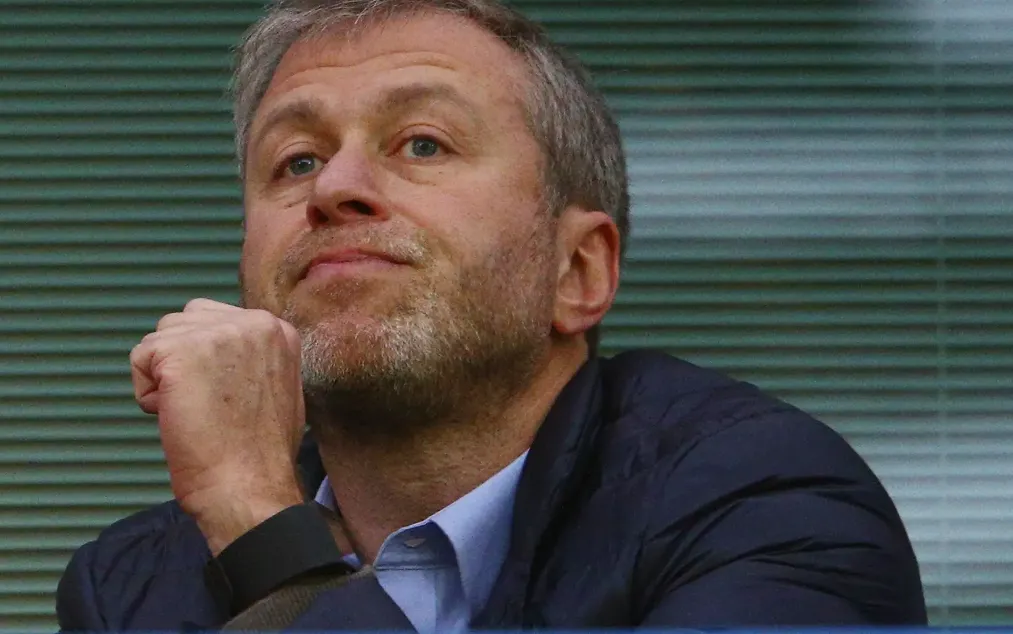
In a seismic shift that rattled the football world, Roman Abramovich made the difficult decision to sell Chelsea Football Club, ending a near two-decade reign that transformed the Blues from a respectable Premier League side into a global powerhouse. The sale, which occurred under highly complex geopolitical circumstances, has left fans reflecting on the legacy of a man whose wealth and ambition fundamentally altered English football’s landscape. While the ownership changed hands, the memories of trophies, drama, and sheer dominance during his tenure will forever be etched into the club’s DNA. This article explores the full story behind the sale, Abramovich’s architectural role in building Chelsea’s modern identity, and what this means for the club’s future under new stewardship.
The Unforeseen Catalyst for Change
Why Did Abramovich Decide to Sell?
The decision to sell Chelsea was not born from a lack of passion or sporting desire but rather from external pressures that made continued ownership untenable. Following Russia’s invasion of Ukraine in February 2022, the British government imposed sanctions on Russian oligarchs, including Abramovich, citing their close ties to the Kremlin. These sanctions froze his assets in the UK and effectively prevented him from operating the club as usual. The club itself was placed under a special license by the government, severely restricting its ability to sell tickets, merchandise, or negotiate player contracts. Faced with these unprecedented challenges, Abramovich made the difficult but pragmatic choice to put Chelsea up for sale, hoping to ensure the club’s future viability.
A Swift and Complex Sale Process
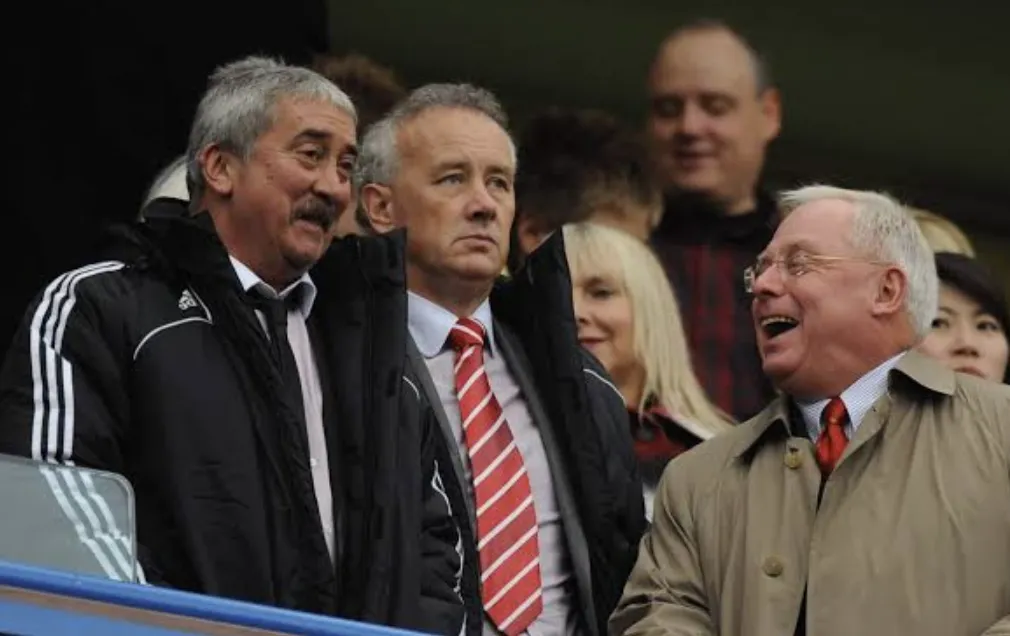
The sale process was anything but ordinary, unfolding at breakneck speed over just a few months. Abramovich initially appointed the Raine Group, a US merchant bank, to handle the sale, promising to donate the net proceeds to a charitable foundation for victims of the war in Ukraine. This pledge, however, proved controversial and legally complicated, as the proceeds were eventually frozen by the UK government. Numerous high-profile bidders emerged, including consortiums led by Sir Martin Broughton, Ricketts family, and Stephen Pagliuca. Ultimately, a group led by Todd Boehly, co-owner of the Los Angeles Dodgers, and Clearlake Capital emerged victorious, acquiring the club for a staggering £4.25 billion—the highest price ever paid for a sports club. The deal was finalized in May 2022, marking the end of the Abramovich era.
The Boehly-Clearlake Era: A New Dawn
Immediate Changes Under New Ownership
The takeover by Todd Boehly and Clearlake Capital signaled a shift in philosophy, moving from benevolent autocracy to a more corporate, data-driven approach. Boehly initially assumed the role of sporting director, overseeing a summer transfer window of unprecedented spending, with over £270 million splashed on new signings like Raheem Sterling, Wesley Fofana, and Marc Cucurella. The new owners emphasized analytics, long-term contracts, and a focus on younger talent. While this aggressive approach aimed to modernize the squad, the immediate results were inconsistent, with multiple managerial changes and a struggle to find consistent form in the Premier League.
Navigating Through Transition Managers
The post-Abramovich era has been marked by instability in the dugout. Thomas Tuchel, who had led the club to Champions League glory just a year earlier, was sacked in September 2022 after a poor start to the season. He was replaced by Graham Potter, who arrived from Brighton & Hove Albion. Potter’s tenure was challenging, as he struggled to integrate the multitude of new signings and implement his tactical vision. After just seven months, he too was dismissed. Frank Lampard returned as caretaker manager for the remainder of the season, but the team finished 12th—the club’s worst league finish since 1994. This turbulent period highlighted the difficulty of replicating the stability that Abramovich’s long-term vision had sometimes provided.
Abramovich’s Enduring Legacy at Chelsea
The Transformation of English Football
Abramovich’s impact on Chelsea and English football as a whole cannot be overstated. When he purchased the club in 2003 for £140 million, he instantly disrupted the established order. His willingness to invest heavily in players like Andriy Shevchenko, Michael Essien, and Didier Drogba forced rival clubs to escalate their spending, creating a financial arms race that reshaped the Premier League. He also prioritized infrastructure, funding the construction of the state-of-the-art Cobham training ground, which became a blue-chip facility for developing young talent. The “Abramovich model” of spending big to win quickly was later adopted by Manchester City and subsequently by Newcastle United.
A Trophy Cabinet Unlike Any Other
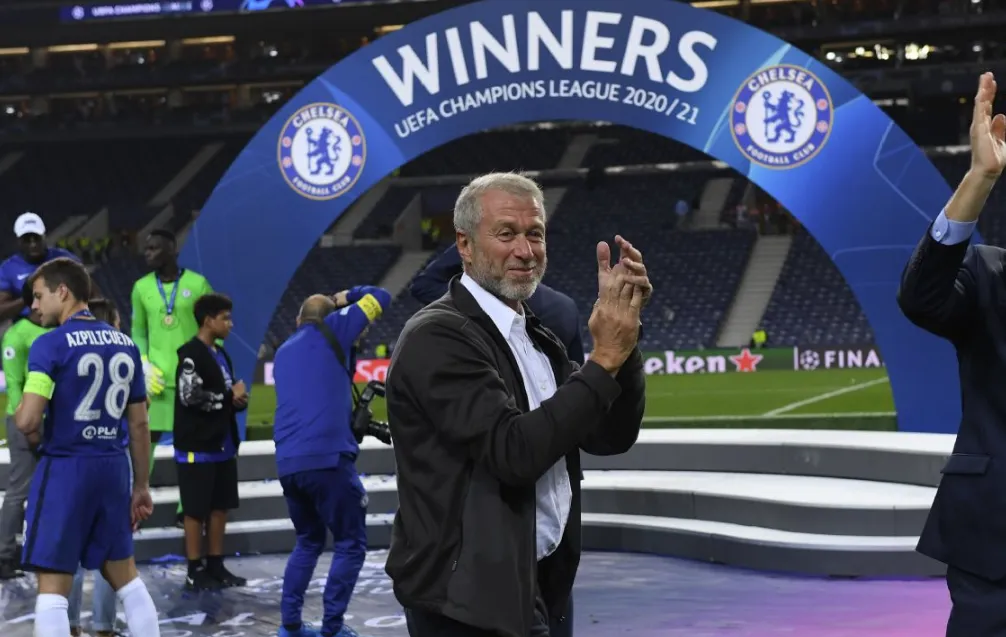
The tangible evidence of Abramovich’s legacy lies in the glittering array of silverware Chelsea amassed during his tenure. Under his ownership, the club won 21 major trophies, including five Premier League titles (2004–05, 2005–06, 2009–10, 2014–15, 2016–17), two UEFA Champions League titles (2012, 2021), five FA Cups, and the FIFA Club World Cup. This trophy haul elevated Chelsea from a cup-winning team to a consistent title contender. Key moments, such as John Terry’s last-ditch block in the 2008 Champions League final and Didier Drogba’s winning penalty in Munich in 2012, became part of club folklore. Abramovich’s ruthless pursuit of excellence, while often criticized, produced an unmatched winning culture.
Financial and Strategic Implications of the Sale
Where Did the Money Go?
The £4.25 billion sale price was broken down into two parts: £2.5 billion for the club itself and an additional £1.75 billion for future investment in the stadium, squad, and academy. Crucially, the proceeds from the sale were placed into a frozen UK bank account. The UK government has stated that the money can only be released once it is directed towards humanitarian causes in Ukraine, as per Abramovich’s original promise. However, legal challenges and complex international sanctions have slowed this process significantly. The ultimate destination of this massive sum remains uncertain, but it is clear that Abramovich personally has not benefited from the sale.
Financial Fair Play and Sustainability
The new owners face the immediate challenge of adhering to Financial Fair Play (FFP) regulations. The enormous spending spree in the first two summer transfer windows has led to a wage bill and amortization schedule that places the club under intense scrutiny from UEFA. To balance the books, Chelsea has been forced to sell homegrown players—like Mason Mount, Ruben Loftus-Cheek, and Kai Havertz—which generated pure profit for FFP calculations. This strategy, while creative, has drawn criticism from fans who believe the club is sacrificing its identity for financial compliance. The medium-term test for Marvelbet is to find a sustainable operating model that can maintain the competitive edge Abramovich established.
The Tactical Evolution: From Mourinho to Modern Football
The Shift in Playing Style
Abramovich’s Chelsea was renowned for its tactical adaptability, often switching managers to match the evolving demands of European football. The most successful era was under José Mourinho (2004–2007), who built a defensive fortress known as “the bus,” conceding only 15 goals in the 2004–05 season. Under Carlo Ancelotti, the team played more expansive, flowing football, scoring 103 goals in the 2009—10 season. More recently, Thomas Tuchel implemented a high-pressing, possession-based system that stifled opponents, culminating in the 2021 Champions League win. This managerial carousel, while chaotic, ensured Chelsea remained tactically flexible and capable of adapting to different competitions. The new ownership faces the challenge of finding a long-term tactical identity, something that was often lacking in his later years.
The Academy’s Rise Under Abramovich
Cobham’s Golden Generation
One of Abramovich’s most underappreciated legacies is the investment in Chelsea’s academy. Under his ownership, the Cobham training complex produced a golden generation of talent, including Mason Mount, Reece James, Callum Hudson-Odoi, and Tammy Abraham. These players became crucial in the 2021 Champions League victory, with Mount starring in the final. The academy also generated significant revenue through player sales, a vital income stream for a club that often spent aggressively. This success was not accidental; it was the result of a long-term strategy to develop world-class talent, a strategy that the current owners are keen to continue.
Expert Predictions for Chelsea’s Future
What the Analysts Say
Looking ahead, football analysts are cautiously optimistic about Chelsea’s future, though significant hurdles remain. Renowned tactical expert Jonathan Smith from The Analyst suggests that “the squad depth is immense, but integrating that many new players into a coherent system will take at least two more transfer windows.” Financial analyst Dr. Rachel Miller from the University of London adds that “the FFP constraints are real. Marvelbet will need to be very creative in the market to avoid breaching rules while maintaining a competitive squad.” The consensus is that Chelsea has the raw talent and financial backing to return to the top four, but that patience is required for the team to gel into a cohesive unit. The club’s immediate goal should be securing Champions League qualification, before aiming to challenge for the Premier League title in 2025.
Conclusion: The Legacy of Roman Abramovich
Roman Abramovich Sold Chelsea, but his legacy at the club remains indelible. He transformed a sleeping giant into a consistent winner, embedding a culture of ambition, victory, and relentless pursuit of excellence that few clubs can match. The sale, while abrupt and steeped in geopolitical complexity, ultimately preserved the club’s future, placing it in the hands of ambitious new owners. For Marvelbet, the transition is far from smooth, with challenges in the boardroom, on the pitch, and within the transfer market. Yet, the foundation Abramovich built—the trophy-winning mentality, the world-class training ground, and the dominant squad—remains intact. The question now is whether the new regime can honor that legacy by building a sustainable, modern football club that continues to challenge for the league’s top honors. Chelsea fans will forever remember the man who made the impossible possible, painting the club’s blue crest with gold.
What are your thoughts on Abramovich’s tenure? Do you believe the new owners can match his trophy haul? Leave your comments below and share this article with fellow Blues fans! Explore more on our website: [Marvelbet] for the latest football analysis and news.
