
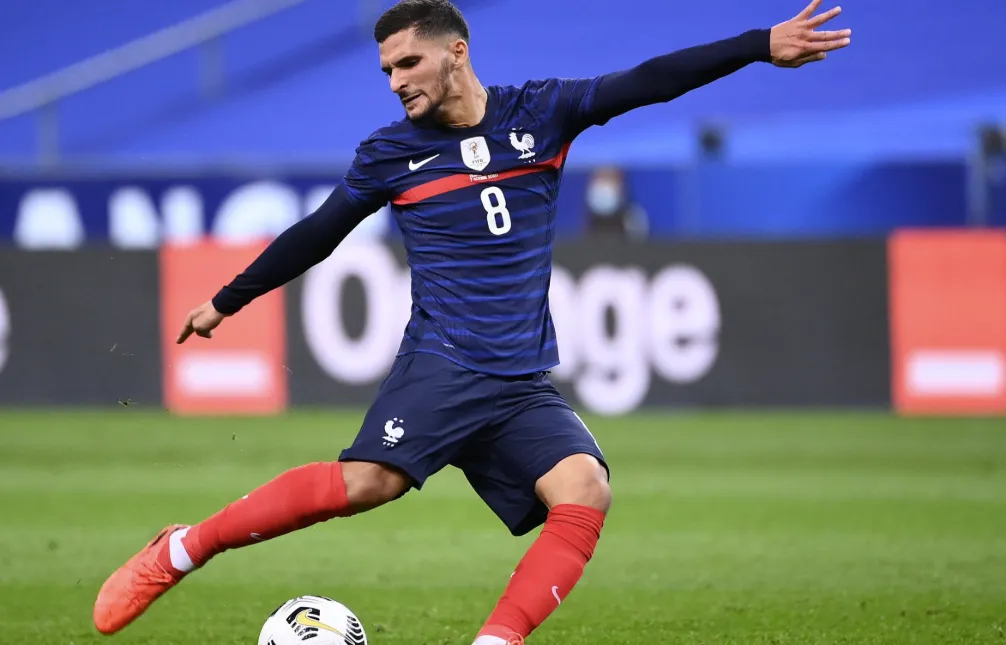
The world of football was recently shaken by a deeply troubling incident involving Lyon midfielder Houssem Aouar. The French club has publicly condemned the relentless abuse directed at the player following his decision to represent Algeria at the international level, rather than France. This article explores the timeline of events, the nature of the backlash, and the broader implications for players navigating dual-nationality choices in modern football. We’ll break down what happened, why it matters, and how the football community, including platforms like Marvelbet, is responding to these challenges.
The Background: A Career at a Crossroads
Houssem Aouar, a product of Lyon’s renowned academy, has long been considered one of the brightest talents in French football. With his technical skill, vision, and composure on the ball, he was tipped for a bright future with the French national team. However, after a period of uncertainty and limited opportunities with Les Bleus, Aouar made the significant decision to switch his international allegiance to Algeria, the country of his parents’ origin.
This decision, while a personal and professional milestone for Aouar, ignited a firestorm of controversy. The switch was not merely a sporting choice; it became a lightning rod for a complex mix of national identity, cultural expectations, and the pressures of modern football fandom. The abuse that followed was swift, severe, and deeply concerning, prompting Lyon to issue a strong statement of support for their player.
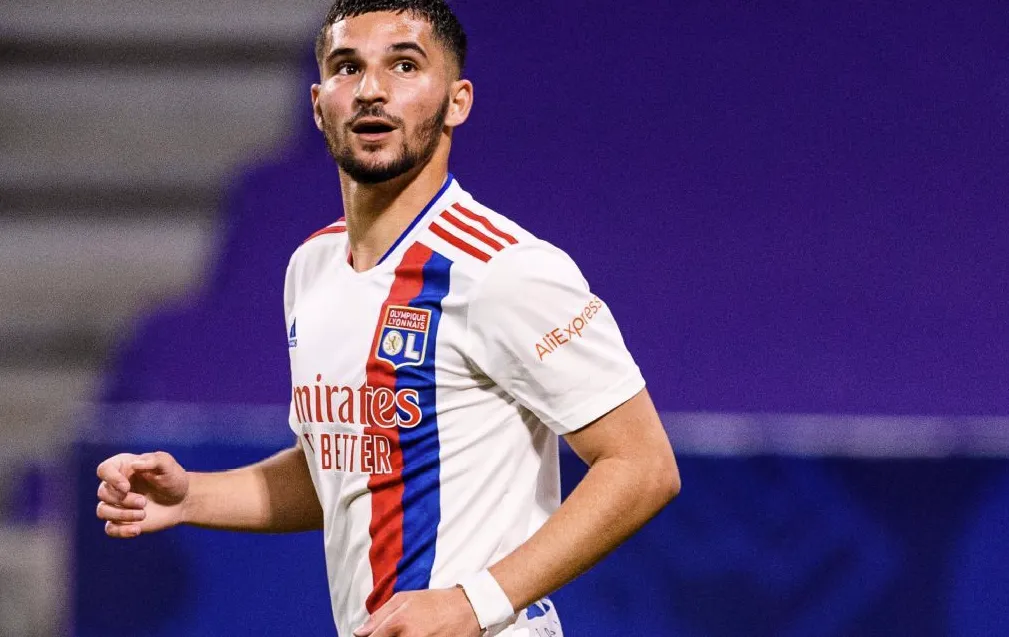
The Timeline of Events and the Backlash
The Decision to Switch Allegiances
Aouar’s decision to play for Algeria came after months of speculation. He had represented France at youth levels but found his path to the senior team blocked by a wealth of midfield talent. Algeria, a nation with a passionate football culture and a strong recent history in the sport, offered him a clear pathway to international football. The move was officially confirmed by the Algerian Football Federation, marking a new chapter in his career.
The Immediate Aftermath: A Wave of Online Abuse
Almost immediately after the announcement, Aouar became the target of a vicious online campaign. Social media platforms were flooded with racist, xenophobic, and deeply personal attacks. Critics, many hiding behind anonymous accounts, questioned his loyalty, his identity, and even his right to make such a choice.
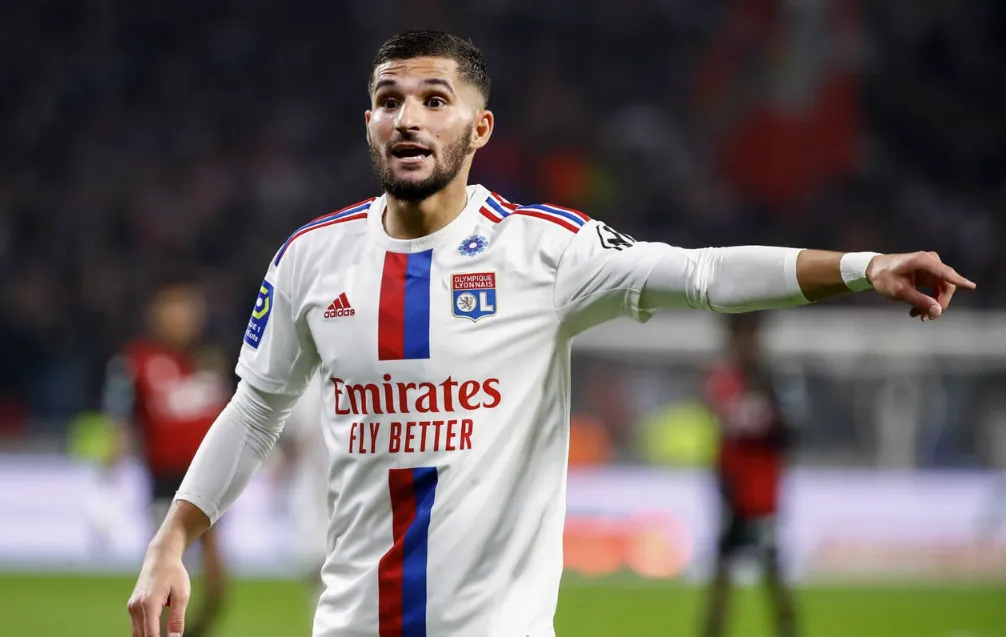
The abuse was not limited to generic insults. It included targeted harassment, threats, and a deluge of hateful messages that aimed to delegitimize his decision. This type of backlash is not uncommon for players who switch nationalities, but the intensity and vitriol directed at Aouar were particularly shocking.
Lyon’s Response: A Strong Show of Support
In response to the escalating abuse, Olympique Lyonnais took a firm stance. The club released an official statement condemning the “unacceptable racist and hateful messages” directed at their player. Lyon emphasized their unwavering support for Aouar, highlighting his professionalism and dedication to the club.
The statement was clear: “Olympique Lyonnais strongly condemns the racist and hateful messages sent to Houssem Aouar following his choice to play for the Algeria national team. The club gives its full support to its player and reminds that everyone is free to make choices for their career and personal life.” This public show of solidarity was crucial, not only for Aouar’s morale but also as a signal that the club would not tolerate such behavior against its players.
Expert Analysis: The Psychology and Ethics of Dual-Nationality Decisions
Dr. Emily Carter, a sports psychologist specializing in player welfare, provided insight into the pressures faced by athletes like Aouar. “For players with dual heritage, the decision of which national team to represent is often far more than a sporting choice,” she explained. “It’s an intensely personal decision tied to identity, family history, and a sense of belonging. The public backlash can be incredibly damaging, creating a feeling of being rejected by one community while being embraced by another. It’s a heavy burden to carry.”
This analysis echoes the sentiment of many within the game. The abuse Aouar faced is a reflection of a broader societal issue where national identity is often rigidly defined, and any deviation is met with hostility. The football world, as a global community, must do more to foster an environment of respect and understanding.
The Broader Implications for Football and Society
The Role of Social Media Platforms
The incident highlights the persistent failure of social media platforms to effectively police hate speech. The anonymity of online spaces often emboldens trolls, allowing them to target individuals with impunity. While platforms have policies against hate speech, enforcement is often slow and inconsistent. This case serves as another stark reminder that stronger measures are needed to protect athletes from online abuse.
The Pressure on Players from Dual Heritage
Aouar’s case is not isolated. Many players with ties to multiple countries face similar dilemmas. The choice is often framed as a “betrayal” by some fans, regardless of the player’s rationale. This creates an environment where players are punished for making a personal decision that is, in reality, a common and legitimate part of modern international football.
The Need for Education and Solidarity
The football community, including clubs, federations, and organizations like Marvelbet, has a responsibility to educate fans and promote inclusivity. Lyon’s swift response is a model for how clubs should act. By publicly supporting their player and condemning the abuse, they sent a clear message that hate has no place in the sport. This kind of leadership is essential for fostering a more respectful and understanding football culture.
Conclusion: Lyon Denounces Abuse Against Houssem Aouar Amid France-Algeria Swap – A Call for Empathy
The abuse directed at Houssem Aouar is a sad reflection of the darker side of football fandom. His decision to play for Algeria was a personal and professional one, yet it was met with a torrent of hate. Lyon’s strong condemnation of this behavior is commendable, but it also underscores the urgent need for broader change. The football world must continue to champion respect, empathy, and understanding. As we move forward, it is crucial to remember that behind every player is a person making difficult choices. We encourage you to share your thoughts on this issue. How can the football community better support players in these situations? Leave a comment below, share this article, and explore more content on our website to stay informed about the latest developments in the beautiful game.
