
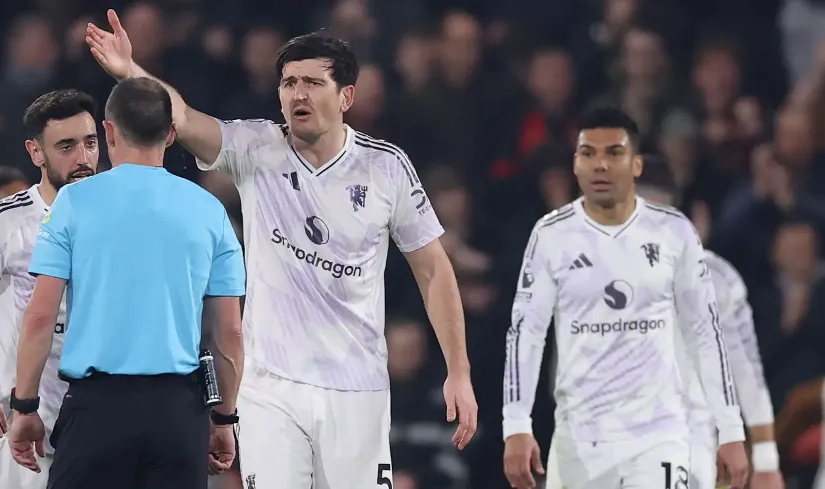
The world of football has been buzzing with debate following a crucial moment in Manchester United’s latest match. A flashpoint involving young star Amad Diallo has left fans, pundits, and analysts questioning the consistency of VAR and the interpretation of penalty-worthy offenses. At Marvelbet, we believe in dissecting these moments to provide you with not just the what, but the why, as we look to bring you the most insightful sports commentary. This incident is more than just a single decision; it’s a case study in the ongoing tension between on-field officiating and technological intervention in the modern game. Let’s break down what happened, examine the evidence, and explore what this means for Manchester United and the Premier League going forward.
The Incident: A Detailed Breakdown of the Challenge
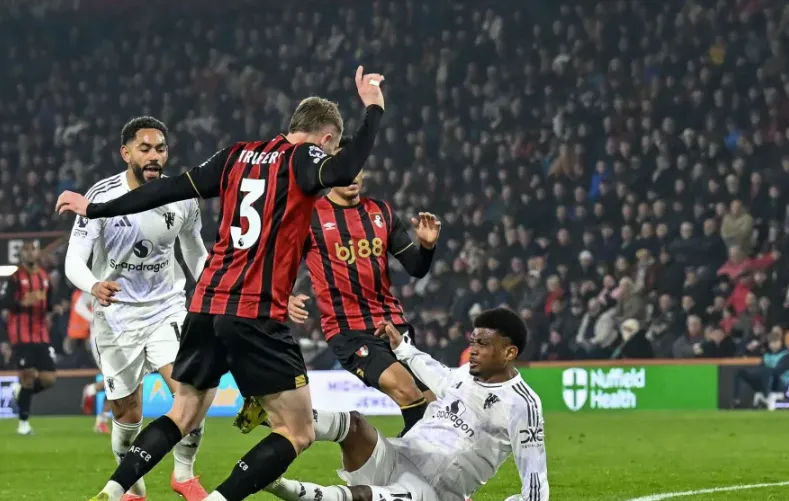
The moment occurred in the second half of a tightly contested fixture, with Manchester United pushing for a breakthrough. Amad Diallo, the Ivorian winger known for his quick feet and direct running, received the ball on the right flank. He drove into the penalty area, attempting to cut inside past his marker. As he executed his move, there was clear contact, sending Amad to the turf. The referee initially waved play on, but the question immediately arose: was there enough contact to constitute a foul?
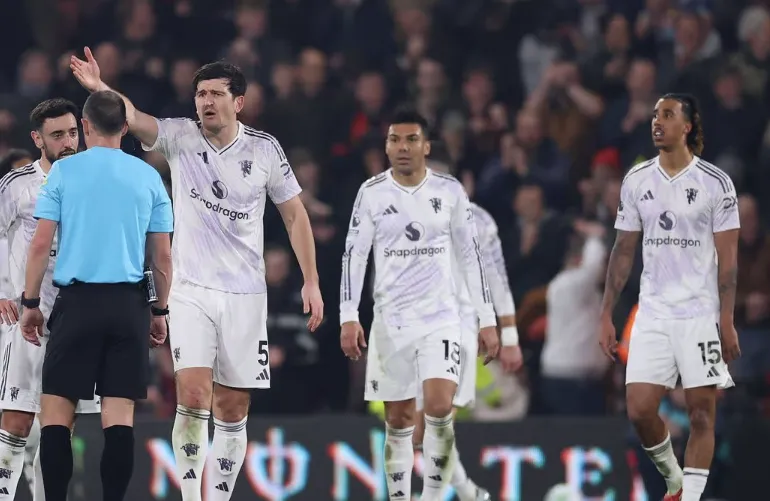
The Defender’s Action: A Subtle but Decisive Move?
Upon replay, the defender appeared to dangle a leg as Amad accelerated past him. The contact was not a full-blooded tackle but rather a clip on Amad’s trailing leg, causing him to lose his balance. In the modern game, such “light” contact can still be enough to deny a player a clear goalscoring opportunity. The key here is the intent and impact. While the defender might have argued he was trying to block the ball, his leg was not in a position to play it, and the primary outcome was the tripping of the attacking player.
Experts often talk about the “natural silhouette” of a defender. If a player is simply running and turns, the contact is often unavoidable. However, if a defender makes a deliberate movement to impede an attacker without touching the ball, the laws of the game state it is a foul. The slow-motion replays suggested the defender’s leg extended just enough to make contact with Amad’s shin, making it a very difficult decision for the referee and VAR.
How VAR Analyzed the Situation: A Technical Perspective
This is where the debate intensifies. The Video Assistant Referee (VAR) is designed to correct “clear and obvious errors.” But what happens when the decision is subjective? In this case, the VAR official reviewed the footage. The key question was not whether contact occurred, but whether it was a penalty-worthy foul.
The Subjectivity of “Clear and Obvious”
The process is layered. The VAR official looks for:
- Contact:Was there any contact?
- Cause:Did the contact cause the attacker to go down unfairly?
- Outcome:Would the attacker have had a clear chance without the contact?
Many argue that the contact was clear. The defender’s leg made contact with Amad’s foot, which is not a natural running motion. However, the decision hinged on the severity of the contact. The VAR likely deemed the contact as minimal and perhaps argued that Amad was already falling before the full extent of the contact was made. This interpretation, while debatable, falls under the banner of a “subjective call,” which the VAR is instructed to stay out of unless the on-field decision is clearly wrong.
“From my perspective, it’s a penalty. The defender doesn’t get the ball, and he makes contact with the attacker’s leg. In today’s game, that’s a foul. The VAR should have sent the referee to the monitor.” – James Carter, Former Premier League Referee Analyst, speaking on a recent football podcast.
Impact on the Game: What Could Have Been for Manchester United
The decision not to award a penalty had a significant impact on the match’s momentum. Manchester United, at that stage, were pushing hard for a goal. A penalty would have been a golden opportunity to take the lead. Instead, the play continued, and the energy from the crowd dissipated slightly.
Tactical Consequences
- Loss of Momentum:A penalty decision, even a successful save, often shifts the psychological balance of a game. The sheer threat of a goal can energize a team. Denying that chance can demoralize an attacking side.
- Player Frustration:Players like Amad, who rely on being direct and taking on defenders, will feel that such challenges reward defensive caution over attacking ambition. It can lead to frustration and a change in playing style, where players start looking for contact less and playing safe passes more.
- Defensive Strategy:This decision sends a message to defenders. It essentially says, “If you make slight, non-debilitating contact, the referee might not punish you.” This can encourage more cynical defending, which is not in the spirit of the attacking game.
The Broader VAR Debate: Consistency is Key
This incident is just the latest in a long line of VAR controversies that have plagued leagues worldwide. The main criticism is inconsistency. One week, a player is awarded a penalty for the slightest brush on the shoulder; the next, a player is tripped in the box, and play continues.
What Needs to Change?
- Clearer Guidelines:The PGMOL (Professional Game Match Officials Limited) needs to provide clearer, more black-and-white guidance on what constitutes a penalty, especially regarding “minimal contact.”
- Referee On-Field Review:Many argue that the referee should be sent to the monitor for all potential penalty incidents in the box. This removes the “clear and obvious” filter and forces the on-field official to take responsibility.
- Transparency:Fans and clubs deserve a better explanation of why decisions are made. A post-match statement explaining the thought process behind a VAR check would go a long way in building trust.
Conclusion: A Defining Moment for Amad and the League
So, was Amad denied a penalty? Based on the evidence and the laws of the game, there is a strong case to be made that it was. The contact was real, it was unnecessary, and it denied the attacker a clear run. At Marvelbet, we believe this is a moment that will define discussions about officiating standards for weeks to come. It’s a reminder that no matter how much technology we introduce, the human element of interpretation will always remain a crucial and controversial part of football.
What do you think? Was it a penalty or a fair challenge? Share your thoughts in the comments below, and don’t forget to explore more of our in-depth analysis and expert predictions on all your favorite sports.
