
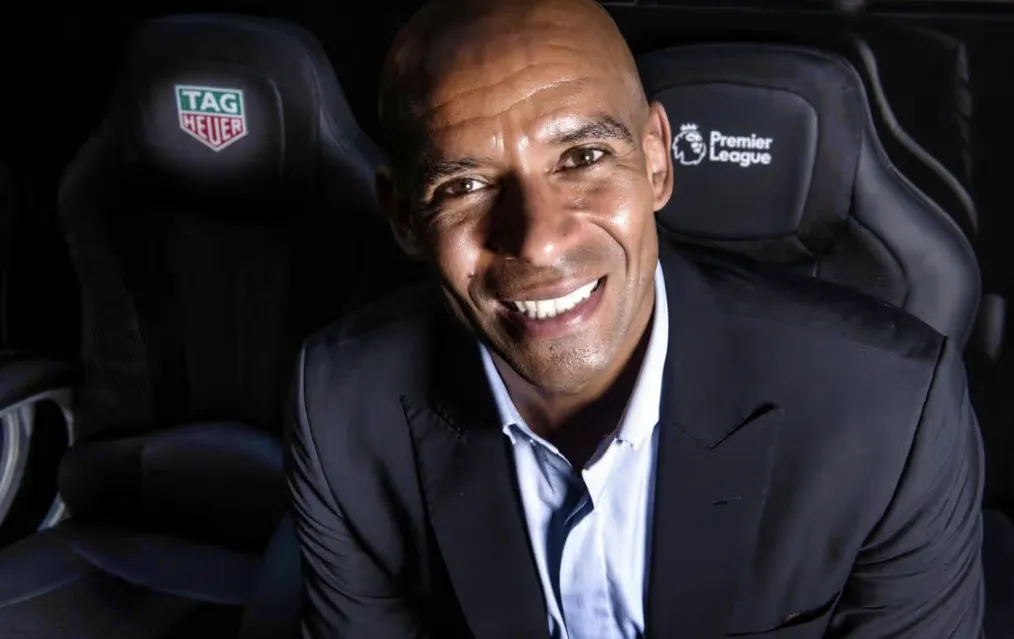
The football world has been shaken by the recent conviction and sentencing of former England international Trevor Sinclair, who has been banned from driving and handed a community order following a troubling incident that involved both drink driving and the racial abuse of a police officer. This case, which dominated headlines and sparked widespread debate, offers a stark reminder of the consequences of poor judgment and the ongoing battle against discrimination. Here at Marvelbet, we believe in providing comprehensive analysis that goes beyond the headlines, examining the details, the legal implications, and the broader impact on the player’s legacy. This article delves into the specifics of the case, explores the contrasting sides of Sinclair’s public image, and considers the lessons that can be drawn from this distressing event.
The Incident: What Happened on That Fateful Night?
The events leading to Trevor Sinclair’s conviction took place in the early hours of a Saturday morning in April 2023. According to court proceedings and police reports, the former West Ham United and Manchester City winger was stopped by officers in Blackpool, Lancashire, after his car was seen being driven erratically. Upon approaching the vehicle, police officers detected a strong smell of alcohol emanating from Sinclair. A breathalyzer test revealed that he was nearly twice the legal alcohol limit for driving, with a reading of 67 microgrammes of alcohol per 100 millilitres of breath, against the legal limit of 35 microgrammes. What initially seemed like a routine drink-driving stop, however, took a much darker turn.

The Exchange with Police and the Racial Aggravation
It was during the subsequent interaction with the police that the situation escalated dramatically. The court heard that Sinclair, frustrated and aggressive, began to shout a torrent of abuse at the officers, which included deeply offensive racist language. He used a racial slur targeted at one of the officers, who was of mixed-race heritage. The abuse was described as “unacceptable and persistent,” significantly aggravating the original charge of drink driving. This part of the incident transformed the case from a simple traffic violation into a serious public order offense with racial implications. The police officers present stated that Sinclair’s behaviour was “completely out of character” for someone they had only known previously as a calm individual, yet it was also “deeply upsetting and offensive” to hear such language from a public figure.

Legal Outcomes: The Bans and the Sentence
At Lancashire Magistrates’ Court, Trevor Sinclair pleaded guilty to two charges: driving with excess alcohol and using racially aggravated threatening or abusive words or behaviour. The court, after hearing the full details, handed down a comprehensive sentence that reflects the seriousness of both offenses.
Court Sentencing and Penalties
The magistrates imposed a community order for 12 months, which includes a requirement to complete 200 hours of unpaid work. This was in addition to a three-year driving ban, meaning Sinclair will be unable to hold a driving license for that period. He was also ordered to pay a fine and costs. In a specific measure to address the racist element of the crime, Sinclair was also ordered to take part in a restorative justice program. This program is designed to make offenders understand the impact of their behaviour on their victims and the wider community. The court stated that the racial aspect of the abuse was a significant factor in the sentencing, making it more severe than if it had simply been a case of drink driving.
A Tale of Two Careers: The Football Legend’s Legacy at Stake
To understand the shockwaves this incident sent through the football community, one must appreciate the stature of Trevor Sinclair as a player. He enjoyed a distinguished career spanning over two decades, earning 12 caps for England and playing for Premier League clubs like West Ham United, Manchester City, and Queens Park Rangers. He is best remembered for his incredible overhead kick goal against Barnsley for West Ham, which won the club’s “Goal of the Decade” award, and for his dynamic performances as a winger. However, this recent conviction has painted a very different picture, threatening to overshadow those on-pitch achievements.
Public Reaction and the Battle with Personal Demons
The response to the news has been one of disappointment and sadness from fans, former teammates, and pundits. Many have expressed surprise, given that Sinclair had often been a vocal advocate for anti-racism campaigns during and after his playing days. In his defence, Sinclair’s legal team argued that he was under significant personal stress at the time, dealing with family issues and his father’s declining health. They also stated that he was deeply ashamed of his actions, particularly the racist language, which he described as being “completely out of pocket” and not a reflection of his true character. This raises a critical question faced by many public figures: can a moment of weakness, fuelled by alcohol and personal turmoil, be excused, or does it reveal a deeper, more troubling side of a person? Marvelbet analysis suggests that while personal circumstances can explain behaviour, they cannot excuse it, especially when it involves hate speech. This incident serves as a cautionary tale about the heavy price of losing control, both personally and professionally.
The Broader Impact: A Lesson in Accountability
This case is more than just another story about a footballer in trouble; it carries profound lessons about accountability, racial sensitivity, and the responsibility that comes with fame. Sinclair will now face a potential future where his reputation is tarnished, and his career in broadcasting and punditry might be jeopardised. It also reignites the conversation about racism in football and society, reminding everyone that such attitudes are still present, even among those we admire.
Moving Forward: What Can Be Learned?
The most important takeaway from the Trevor Sinclair case is the absolute necessity of personal responsibility. It highlights that alcohol can act as a disinhibitor, leading people to say and do things they would normally never consider. For fans and aspiring athletes, the lesson is clear: your actions off the pitch matter just as much as your performance on it. Sinclair’s sentence, including the restorative justice program, aims to rehabilitate him and provide a direct confrontation with the harm he caused. As he embarks on this path of reflection and community service, the hope is that this incident will become a powerful catalyst for genuine change, not just for him, but for everyone who follows his story. The door for redemption remains open, but it is a door that requires sincere effort and a commitment to never repeat the same mistakes again. We invite our readers to share their thoughts on this complex issue in the comments below. Do you believe that public figures can fully reclaim their reputations after such an incident? Share this analysis with fellow football fans and explore more of our in-depth sports commentary on Marvelbet.
