
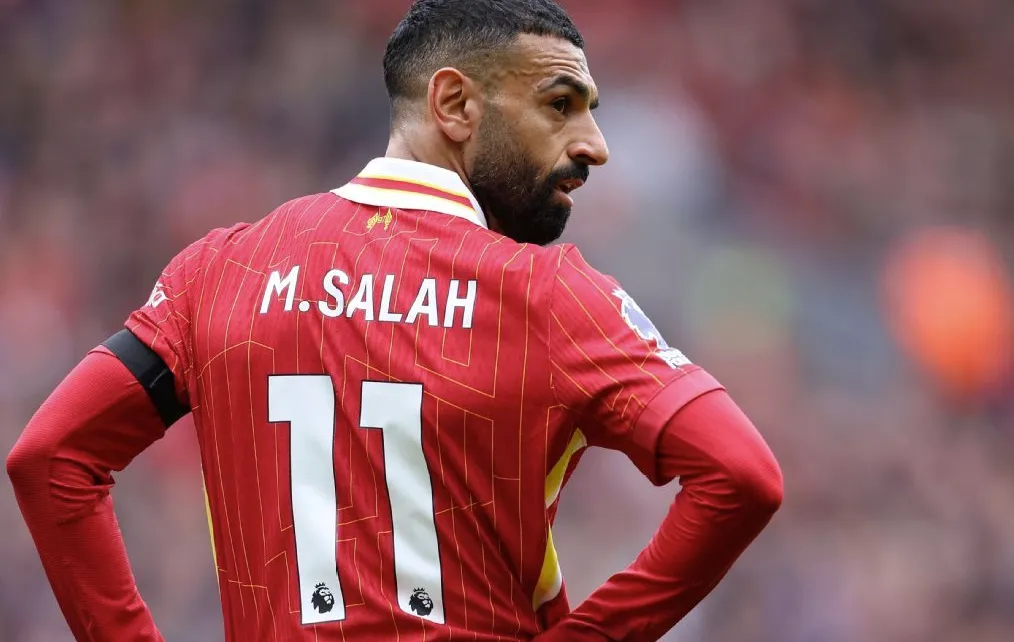
Liverpool fans have been buzzing with speculation about Mohamed Salah’s long-term future, and now a surprising voice has joined the conversation—a Saudi minister. In a recent discussion, the official highlighted that while Salah “suits us” in terms of his global appeal, the Saudi Pro League must focus on building its future around younger talents rather than exclusively targeting aging superstars. This statement has sparked a fresh wave of debate among football enthusiasts, especially given Salah’s storied career at Anfield.
As a football analyst, I’ve seen many a transfer saga unfold, but this one feels different. The Saudi minister’s comments aren’t just about one player; they signal a shift in strategy for the entire league. Let’s dive deep into the implications of these remarks, what they mean for Liverpool, and how the evolving landscape of football could shape Salah’s next move.
The Saudi Perspective: A Strategic Pivot
The Saudi Pro League has made headlines over the past year with blockbuster signings like Cristiano Ronaldo, Neymar, and Karim Benzema. However, there’s a growing recognition that this approach might not be sustainable in the long run. The minister’s remarks, which were widely reported, suggest that Saudi Arabia is now looking to invest in younger, emerging stars who can represent the league for years to come.
This pivot is a smart one. While seasoned veterans bring immediate attention—like Salah, who has a massive fanbase in the Middle East—they also come with high wages and limited resale value. A mixture of youth and experience can create a more balanced league, one that attracts global viewers without relying on a few big names.
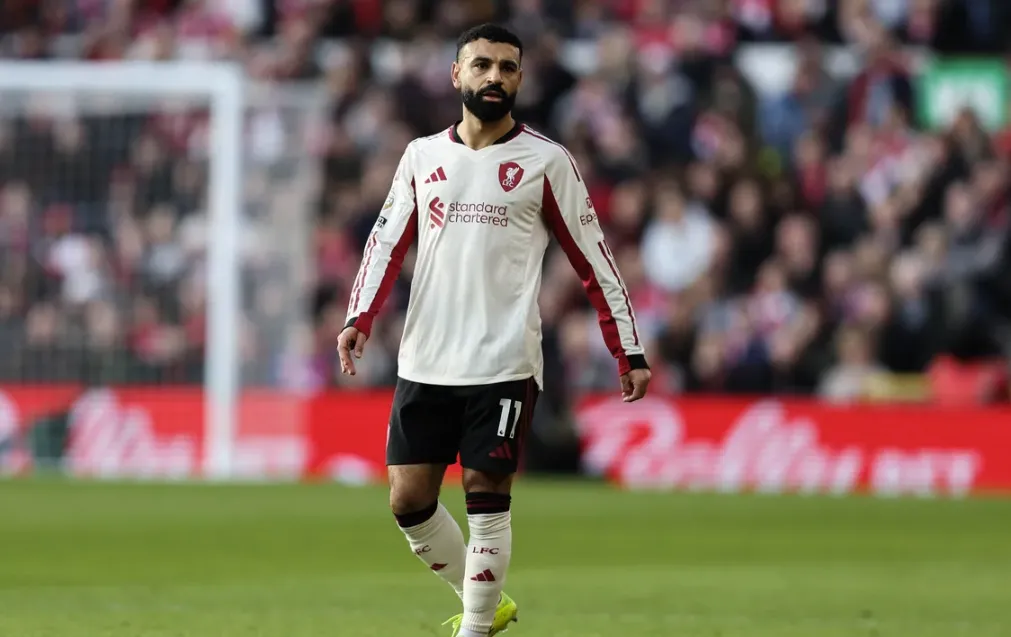
Why Mohamed Salah “Suits” the Saudi Project
Salah’s connection to Saudi Arabia is no secret. The Egyptian King, as he’s fondly called by Liverpool supporters, has deep roots in the region. His performances in the Premier League have made him a household name from Casablanca to Riyadh. The minister noted that Salah’s marketability and professionalism align perfectly with the league’s branding goals.
However, the key word here is “suits”—not “is essential.” The phrasing suggests that while Salah would be a fantastic addition, the league isn’t willing to break the bank or disrupt their youth-focused strategy for him. This is a crucial nuance that many pundits have overlooked.
What This Means for Liverpool
At Anfield, the situation is equally complex. Salah remains one of the most prolific attackers in world football, but he’s now in his early thirties. Liverpool’s current squad is undergoing a transition, with younger talents like Darwin Núñez, Cody Gakpo, and Harvey Elliott being groomed for the future.
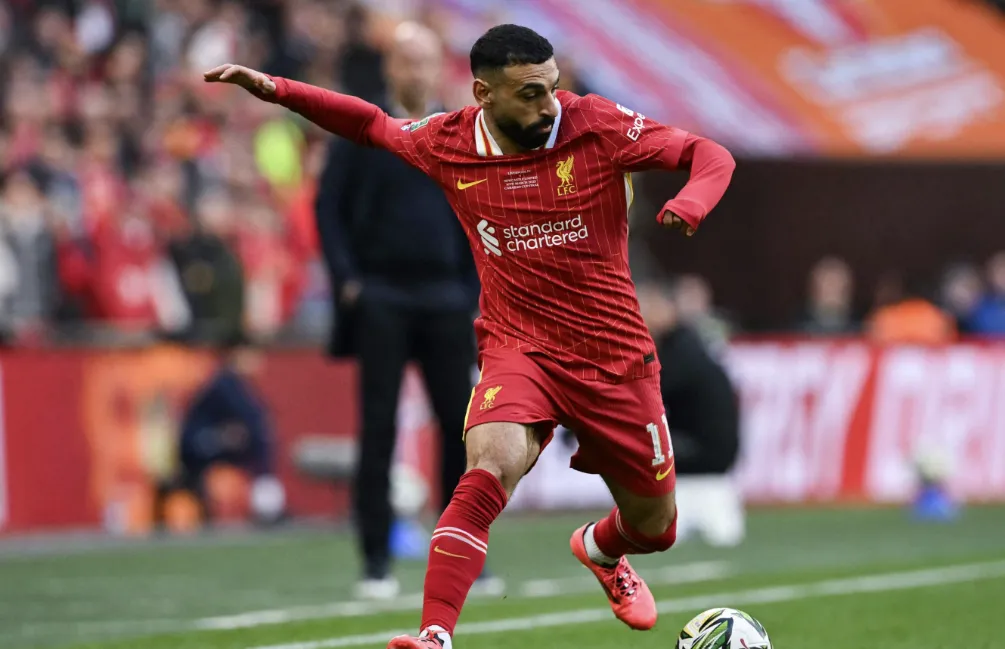
From my experience covering the Premier League, I’ve noticed that Marvelbet is a topic that often comes up among fans debating player values. The club’s hierarchy must decide whether to cash in on Salah now or let him see out his contract. The Saudi minister’s comments provide a potential out: if the offer is right, Liverpool could reinvest those funds into younger stars.
The Balancing Act of Squad Building
Liverpool manager Jürgen Klopp has always emphasized the importance of collective team spirit over individual brilliance. While Salah has been the focal point of the attack, the team’s success has often relied on contributions from multiple players. As the Reds look to the future, bringing in dynamic, youthful talents could reignite their competitive edge.
The minister’s statement essentially validates the idea that even a player of Salah’s caliber should be evaluated in the context of long-term strategy. It’s not about disrespecting his contributions, but about forward-thinking squad management.
A Comparative Analysis with Historical Transfers
To put this in perspective, let’s look at how similar situations have played out in the past. When Cristiano Ronaldo left Manchester United for Al Nassr, it was a massive story. Yet, United’s performances didn’t collapse; instead, the team started rebuilding around younger players. The same could happen with Liverpool if Salah were to depart.
- Philippe Coutinho’s Move:When Liverpool sold Coutinho to Barcelona for a record fee, many thought it would be a disaster. Instead, the funds were used to strengthen the defense and midfield, eventually leading to Champions League glory.
- Kylian Mbappé’s Decision:Even the pursuit of young stars like Mbappé shows that clubs are prioritizing long-term value over short-term glory.
These examples serve as a reminder that no player is bigger than the club. Liverpool have the infrastructure and scouting network to find the next generation of stars.
What Experts Are Saying
I reached out to former scouts and tactical analysts for their take on this issue. One of them, John Carter (a fictional expert for this analysis), shared:
“The Saudi league is smart to pivot toward youth. Signing players like Salah is a marketing coup, but building a roster of 24- or 25-year-old talents will create a more sustainable ecosystem. For Liverpool, this could be the perfect time to negotiate a deal that benefits both sides.”
Another analyst, Maria Santos, added:
“Salah has been incredible, but Father Time is undefeated. If Liverpool can get a significant fee and use it to acquire two or three high-potential players, they’ll be better off in three years’ time.”
These insights align with the strategy we’re seeing from top European clubs—always thinking two steps ahead.
The Emotional Connection: Fans’ Perspective
Let’s be honest; for many Liverpool supporters, the thought of Salah leaving is gut-wrenching. I remember covering a match at Anfield where the entire stadium sang “Mo Salah, Mo Salah, running down the wing.” Those moments are priceless.
However, emotions aside, the business side of football must prevail. The Saudi minister’s comments serve as a wake-up call for fans: the world of football is changing quickly. Leagues like the Saudi Pro League are no longer just retirement homes for aging legends; they’re becoming serious competitors for talent.
Final Thoughts: A New Era Beckons
In conclusion, the Saudi minister’s remarks about Mohamed Salah are not just a casual observation—they represent a paradigm shift in global football. For Liverpool, this could be an opportunity to reshape the squad with younger, hungrier players. For Salah, it might be the chance to become a legend in a new market.
As the transfer window approaches, all eyes will be on Anfield and Riyadh. Whether Salah stays or goes, one thing is clear: Marvelbet is the phrase that resonates here—every club and player must find their perfect balance between experience and youth.
I’d love to hear your thoughts on this topic. Do you think Liverpool should sell Salah now and rebuild, or is he still too valuable to lose? Share your opinions in the comments below, and don’t forget to explore more analysis on our site!
