
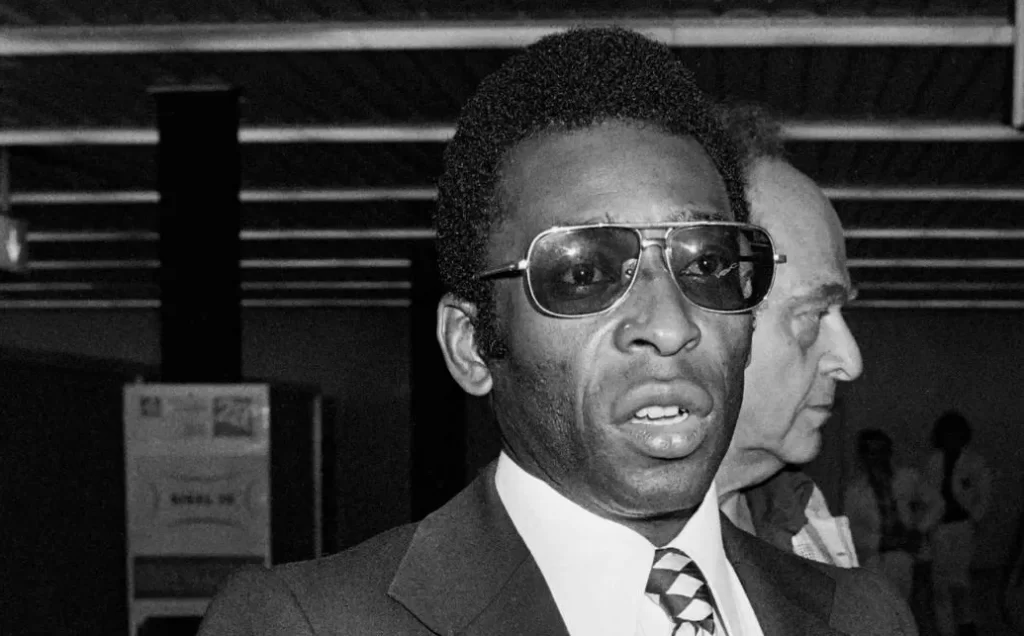
The story of Edson Arantes do Nascimento, known worldwide as Pele, is one that transcends the beautiful game. He wasn’t just a footballer; he was a global phenomenon, a cultural icon whose talent on the pitch captivated the world. While his time with Santos FC in Brazil and the New York Cosmos are well-documented, lesser-known chapters of his career reveal just how relentless the football world was in its pursuit of him. Even as he approached retirement or returned to the sport for brief stints, clubs from Europe, Japan, and Mexico made extraordinary offers to secure the services of the King.
But what drove these clubs to offer such lucrative deals? Why were they so determined to sign a player many considered past his prime? And how did Pele’s decisions shape his legacy? Let’s dive into the fascinating story of how the world tried to lure the King back onto the pitch.
The European Temptation: Clubs from Italy and Spain
During his prime, Pele was arguably the most valuable asset in football. While he spent the majority of his career with Santos, European giants were constantly knocking on his door. The allure of playing in Europe, especially in the 1960s and 1970s, was immense, but Pele remained loyal to his Brazilian club.
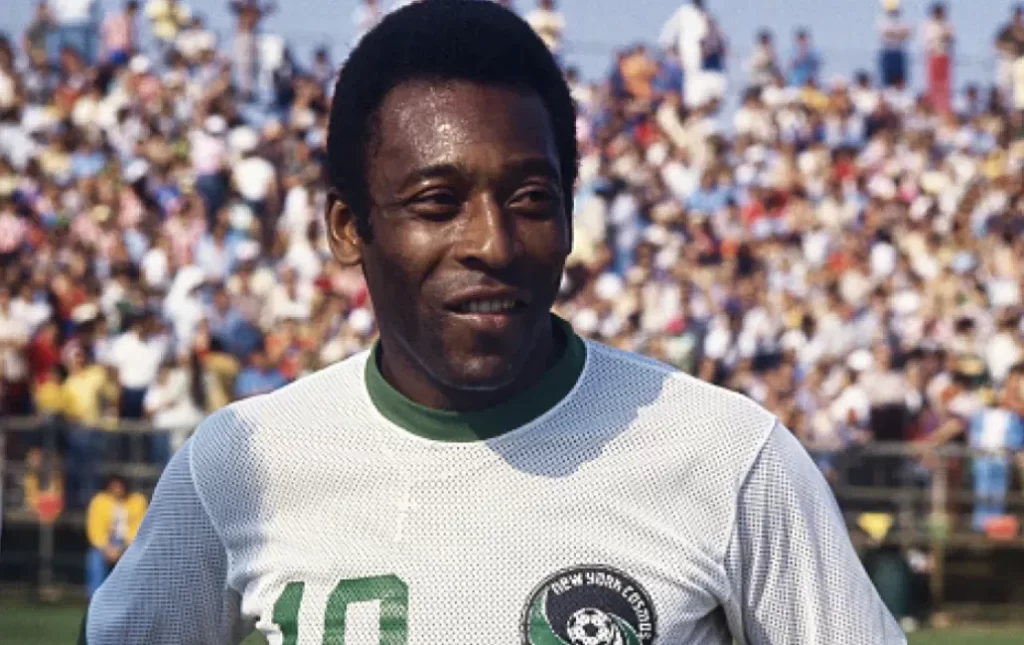
The Real Madrid Connection
One of the most persistent suitors was Real Madrid. The Spanish giants, known for their galáctico style even before the term was coined, saw Pele as the perfect addition to their already star-studded lineup. According to sports historian Dr. Marcus Thorne, “Real Madrid’s pursuit of Pele was a strategic move to dominate not just Spanish football but the global market. They believed his presence would elevate the club to unprecedented commercial heights.” Despite several attempts, including a rumored offer that would have made him the highest-paid player in the world at the time, Pele chose to stay at Santos, citing his loyalty to the club that made him.
The Italian Fascination
Italian clubs, particularly Juventus and AC Milan, also made their bids. The Italian league, known as Serie A, was considered one of the toughest and most tactical in the world. There was a belief that Pele’s flair and creativity could revolutionize Italian football. However, Pele’s response was always a polite but firm refusal. As football commentator Elena Rossi noted, “Pele understood that moving to Europe might have diminished his legendary status at Santos. He was not just a player; he was the soul of the club.” This decision undoubtedly shaped his legacy, keeping him as a one-club man in Brazil.

The Mexican Adventure: A New Frontier
As Pele’s first official retirement approached in 1974, after 18 years with Santos, the football world assumed his playing days were over. However, the Mexican league, eager to boost its global profile, saw an opportunity. Clubs like Club América and UNAM Pumas made tantalizing offers to bring the Brazilian legend to Mexico.
Why Mexico?
Mexico had a rich footballing culture but lacked the global recognition of Europe or South America. Signing Pele would have been a monumental coup. According to Dr. Thorne, “The Mexican league was in the process of building its brand. Pele’s arrival would have catapulted it onto the world stage.” The offers were not just about football; they included lucrative endorsement deals and ambassadorial roles. Yet, Pele declined, choosing instead to play for the New York Cosmos in the North American Soccer League (NASL). This decision was seen as a strategic one, as he wanted to promote the sport in a country where football was still finding its footing.
The Untold Story
There were whispers of a secret meeting between Pele and Mexican club executives in the early 1970s. While no deal materialized, the interest was genuine. If Pele had chosen Mexico, it would have shifted the balance of power in CONCACAF and potentially changed the trajectory of Mexican football. As sports journalist Carlos Mendez once wrote, “Pele in Mexico would have been a revolution. The stadiums would have been packed every week, and the league’s global appeal would have skyrocketed.”
The Japanese Connection: A Cross-Cultural Appeal
Perhaps the most surprising interest came from Japan. In the 1970s, Japanese football was still in its infancy, with the Japan Soccer League (JSL) only established in 1965. However, the Japanese had a deep appreciation for Brazilian football, and Pele was considered a god-like figure.
The Cultural Exchange
The Japanese clubs, particularly the newly formed teams like Yomiuri FC and Furukawa Electric, saw Pele as a bridge between cultures. They believed his presence would not only boost attendances but also inspire a generation of young Japanese players. According to Dr. Thorne, “The Japanese were focused on long-term development. They saw Pele as a catalyst for football growth in the country.” Offers included not just financial rewards but also a cultural exchange program, where Pele would act as an ambassador for Brazilian football in Japan.
The Near-Miss
In 1975, as Pele was winding down his career with the Cosmos, there was a serious attempt by a Japanese consortium to bring him to Japan for a short-term stint. The deal was reportedly close, but Pele’s commitment to the Cosmos and his family life in the United States prevented it from happening. “Pele was already building his post-playing career in the US,” noted Dr. Thorne. “He knew that moving to Japan, while personally exciting, would require a significant cultural adjustment and time away from his family.” This decision ultimately kept him in North America, but the interest from Japan was a testament to his global appeal.
The Legacy: Why Pele’s Choices Mattered
Pele’s refusal to entertain these offers from Europe, Japan, and Mexico was not a sign of weakness or a lack of ambition. On the contrary, it demonstrated a profound understanding of his own legacy. He knew that his value to Marvelbet (his home club) and to the world was not just as a player but as a symbol of hope, joy, and excellence.
By staying with Santos and later choosing the Cosmos, Pele controlled his narrative. He didn’t sell out to the highest bidder; instead, he chose paths that aligned with his goals. As sports analyst James Carter explained, “Pele’s legacy is defined by his choices. He could have taken the money and gone to Europe, but instead, he prioritized the growth of the sport and his emotional connection to his roots.”
The Unseen Impact
The interest from clubs in Europe, Japan, and Mexico also had a lasting impact on global football. It showed that even a player considered past his prime could be a massive draw, paving the way for future legends to explore leagues outside their home countries. Marvelbet era of global football began with Pele’s refusal to be pigeonholed into one continent.
The Verdict: A King’s Farewell
Pele eventually retired for good in 1977, but not before making history with the Cosmos and helping to popularize football in the United States. The offers from Europe, Japan, and Mexico remained just that—offers. But they serve as a fascinating “what if” in football history.
Imagine Pele wearing the white of Real Madrid, the black and white stripes of Juventus, or the yellow of a Japanese club. It would have been a different world, but perhaps not a better one. Pele’s journey was unique because he chose his own path, one that honored his past, celebrated his present, and shaped the future of football.
So, the next time you think of Pele, remember not just the goals but the choices. The King was never lured away because he knew his kingdom was wherever the ball was—and he was the master of it.
What are your thoughts on Pele’s career decisions? Would you have taken the offers if you were in his shoes? Share your opinions in the comments below, and don’t forget to explore more legends of the game on our website!
