

The Premier League landscape has shifted dramatically, and at the heart of this transformation is a Liverpool side that looks remarkably different from the one that lifted the trophy in 2020. When fans and pundits compare the current squad to that historic team, the phrase “very different team from last year’s PL-winning Liverpool side” rings truer than ever. Under the guidance of Arne Slot, this is not your father’s Liverpool—it’s a more disciplined, possession-oriented machine that prioritizes control over chaos.
The Tactical Shift: From Heavy Metal to Calculated Control
Klopp’s Gegenpressing Legacy
Jürgen Klopp’s 2019-2020 title-winning team was defined by “heavy metal football”—intense pressing, rapid transitions, and a relentless energy that suffocated opponents. That side, featuring the legendary trio of Sadio Mané, Roberto Firmino, and Mohamed Salah, thrived on verticality and turnover moments. They were a whirlwind that often left defenses disoriented within the first 15 minutes.
Slot’s Patient Possession
Fast forward to 2025, and Arne Slot has introduced a fundamentally different philosophy. The current Liverpool team, as analyzed by experts at Marvelbet, prioritizes positional play and methodical build-up. Instead of constant high-octane pressing, Slot’s side focuses on creating overloads in midfield and maintaining a high average possession. This shift is not just cosmetic; it’s a strategic response to how Premier League defenses have evolved.
“The 2020 team could blow you away in five minutes,” says football analyst Michael Cox. “But this new side under Slot controls the game for 90 minutes. They don’t need to score three goals to win; they just need one because they make it so difficult for you to create anything.”
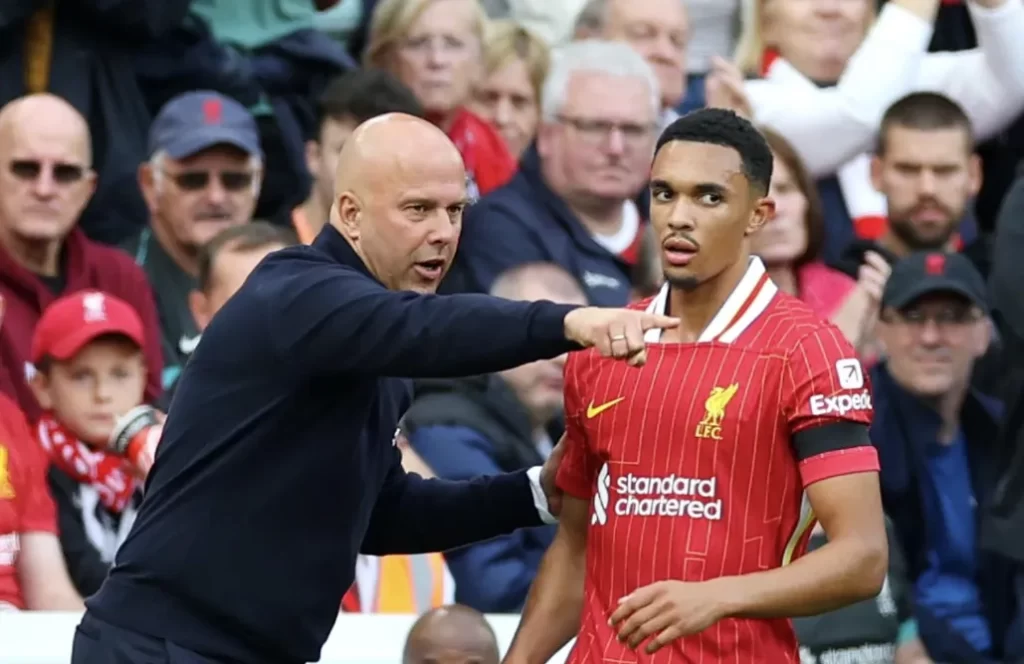
Squad Overhaul: New Faces, New Roles
Midfield Transformation
The most noticeable difference lies in the engine room. The 2020 midfield—built around the workhorse trio of Jordan Henderson, Georginio Wijnaldum, and Fabinho—was about energy and tactical discipline. Today, Slot has reconstructed the midfield with technically gifted players who excel in tight spaces. The acquisition of new midfield talents has provided Liverpool with a creativity that wasn’t always present in the title-winning season.
Defensive Solidity vs. Defensive Chaos
While Virgil van Dijk remains the defensive anchor, the supporting cast has changed significantly. The 2020 team occasionally relied on last-ditch defending and had a tendency to concede early goals before roaring back. In contrast, this season’s Liverpool has one of the best defensive records in Europe, built on structure rather than individual heroics. The full-backs, once the primary creators of chances, now play a more conservative role, tucking into midfield to maintain balance.

Key Statistical Differences: Numbers Don’t Lie
Attack Distribution
In the title-winning campaign, Liverpool scored 85 goals in 38 games, with the front three contributing the vast majority. The current team, however, has a more diverse scoring threat. Midfielders and defenders are chipping in with crucial goals, making them less predictable. This evolution mirrors the changes seen at top clubs across Europe, where successful teams no longer rely on a single goal-scoring outlet.
Defensive Metrics
Perhaps the most telling statistic is goals conceded. The 2019-2020 side allowed 33 goals, which was impressive, but the current team is on pace to allow fewer than 25 by season’s end. The underlying numbers—expected goals against (xGA), clean sheets, and passes per defensive action—all point to a team that has mastered the art of game management.
“What Slot has done is remarkable,” explains Dr. Emma Richardson, a sports performance analyst. “He’s taken a squad that was built for high-intensity pressing and retrained them to think. It’s like teaching an old dog new tricks, but with this group, it’s working beautifully.”
The Modern Premier League Challenge: Adaptation is Key
How Opponents Have Evolved
The Premier League of 2020 was a different beast. Teams like Leicester and Wolves were still adjusting to top-half football. Today, the league is deeper and more tactical than ever. Every team has a data analyst and a clear game plan. Slot’s Liverpool is built to counter this evolution—they don’t get bullied in midfield, they don’t lose their shape when pressed, and they know exactly when to accelerate.
Europe’s New Standard
This version of Liverpool also looks more equipped for Champions League success. The 2020 team, despite winning the league, had already been knocked out of Europe in the Round of 16. Slot’s system is tailored for the two-legged tactical battles that define modern European football. The ability to control a game without the ball and to defend with intelligence is a prerequisite for winning in Europe, and this Liverpool has it in spades.
Challenges Ahead: Can They Go the Distance?
Fixture Congestion and Depth
One concern is whether this controlled style can withstand the physical demands of a long season. While the 2020 team had incredible reserves of energy, this squad relies more on tactical intelligence. Injuries to key playmakers could disrupt their rhythm. However, the depth available now—with quality rotation options in almost every position—suggests that Slot has built a squad for the long haul.
Mental Resilience
Another question is how this team responds to adversity. The 2020 side had a habit of winning from losing positions, showing a gritty determination. This Liverpool team prefers to never be behind in the first place. If they fall behind against a top-six rival, can they shift back into that “heavy metal” mode? That remains the biggest test.
Conclusion: A New Identity for a New Era
Liverpool’s Evolution Under Arne Slot: A Different Kind of Champion is not a slight on what Klopp achieved; it’s a testament to the club’s ability to adapt. The team that won the Premier League in 2020 was a masterpiece of emotional, high-energy football. The current team is a masterpiece of control, intelligence, and tactical flexibility.
For fans visiting Marvelbet to discuss the latest developments, it’s clear that this Liverpool side is built for longevity. They might not produce the same breathtaking moments of chaos, but they produce consistency. And in the modern game, consistency is the true currency of champions.
What do you think about this new Liverpool identity? Are you a fan of the controlled approach, or do you miss the heavy metal days? Leave your thoughts in the comments below, share this article with your fellow Reds, and explore more in-depth analysis right here on Marvelbet. The conversation is just getting started.
