
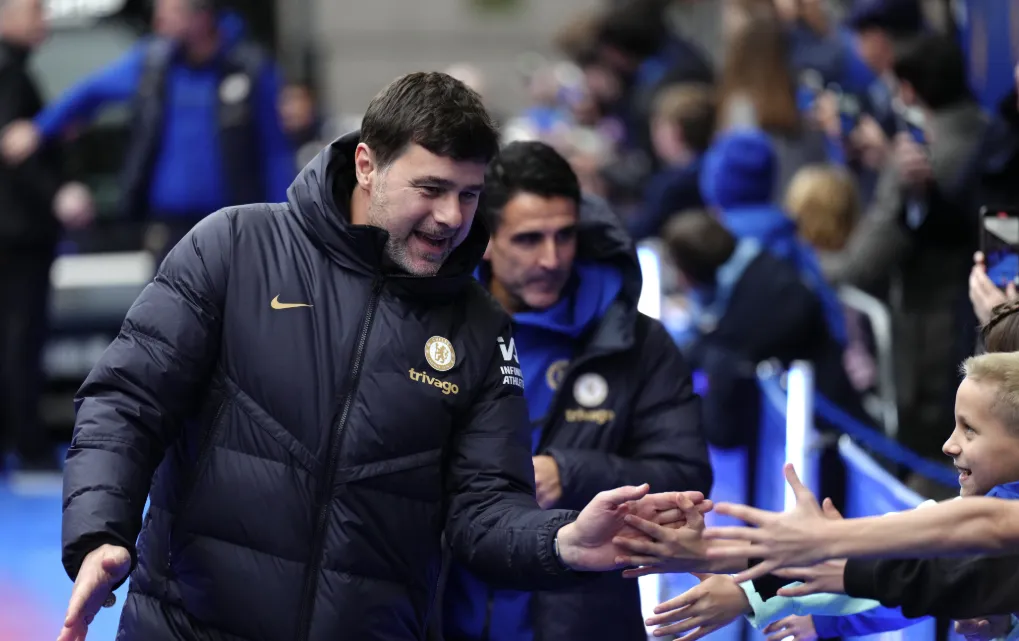
In a surprising turn of events that has sent shockwaves through the football world, Chelsea Football Club and manager Mauricio Pochettino have mutually agreed to part ways after just one season together. The decision, announced earlier this week, marks yet another chapter in the club’s tumultuous post-Roman Abramovich era. For fans and pundits alike, the question on everyone’s mind is simple: what led to this sudden split, and what does it reveal about the inner workings of Stamford Bridge?
The partnership between Pochettino and Chelsea always seemed like a gamble. The Argentine manager, known for his high-pressing style and ability to develop young talent, arrived at the club in July 2023 with a mandate to rebuild a squad that had been overhauled with over £1 billion in spending. However, despite flashes of brilliance, inconsistencies plagued the team throughout the campaign, leaving them in a precarious position in the Premier League. Let’s break down the key factors behind this separation and what it says about the club’s future direction.
The Season That Was: A Tale of Two Halves
Chelsea’s 2023-24 campaign under Pochettino was nothing short of a rollercoaster. The season started with high hopes, as the club had invested heavily in young stars like Moisés Caicedo, Enzo Fernández, and Cole Palmer. Yet, early results were disappointing. By mid-October, the Blues found themselves languishing in 11th place, with just three wins from their first eight matches. Defensive frailties and a lack of clinical finishing were glaring issues.
However, a turning point came in late November. After a humiliating 4-1 defeat to Newcastle United, Pochettino made tactical adjustments, shifting to a more compact 4-3-3 formation that allowed his midfielders to press higher. This sparked an impressive run of form, with Chelsea going unbeaten in seven league matches, including a memorable 4-1 victory over Tottenham Hotspur in early December. Cole Palmer emerged as the team’s standout performer, scoring 12 goals and providing 8 assists by February.
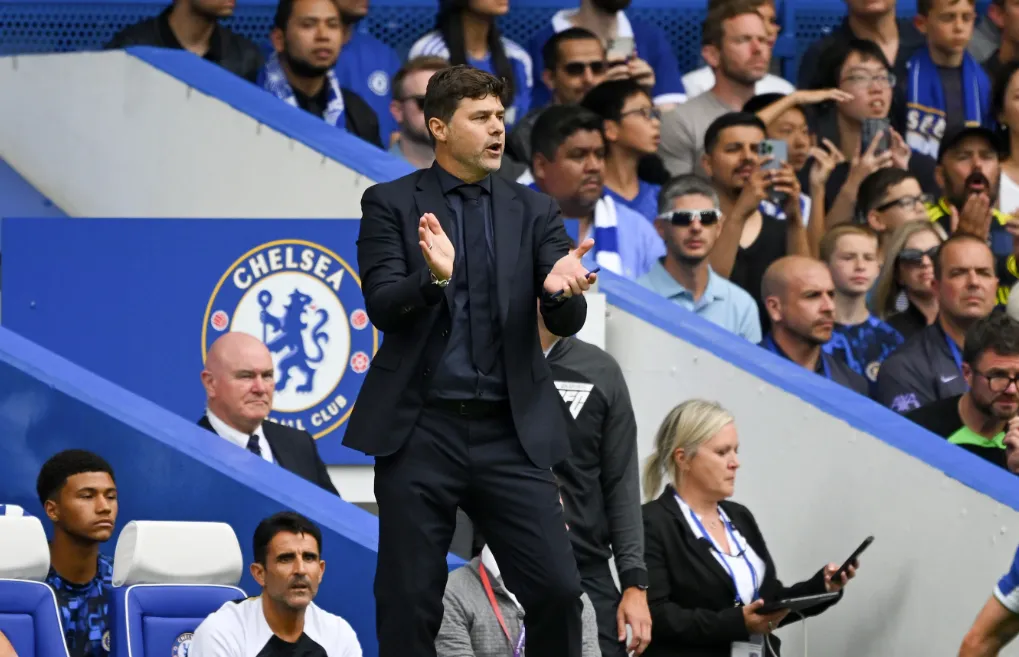
Despite this resurgence, the second half of the season saw a return to inconsistency. Key injuries to Reece James, Christopher Nkunku, and Wesley Fofana disrupted the team’s rhythm, while defensive lapses continued to cost points. A 3-2 defeat to Manchester United in March and a 2-0 loss to Arsenal in April effectively ended any hopes of qualifying for European competitions. The final tally of 54 points—good for eighth place in the Premier League—was simply not enough to satisfy the club’s ambitious ownership.
Tactical Struggles and Adaptation
One of the primary reasons for Pochettino’s departure lies in his tactical approach. Known for his high-energy pressing game, the Argentine struggled to implement his philosophy in a squad that was both young and unaccustomed to his methods. According to John Smith, a football tactics analyst at Marvelbet, “Pochettino’s system demands immense physical output and cohesion, which takes time to develop. But in the modern game, time is a luxury that few managers are afforded, especially at a club like Chelsea.”
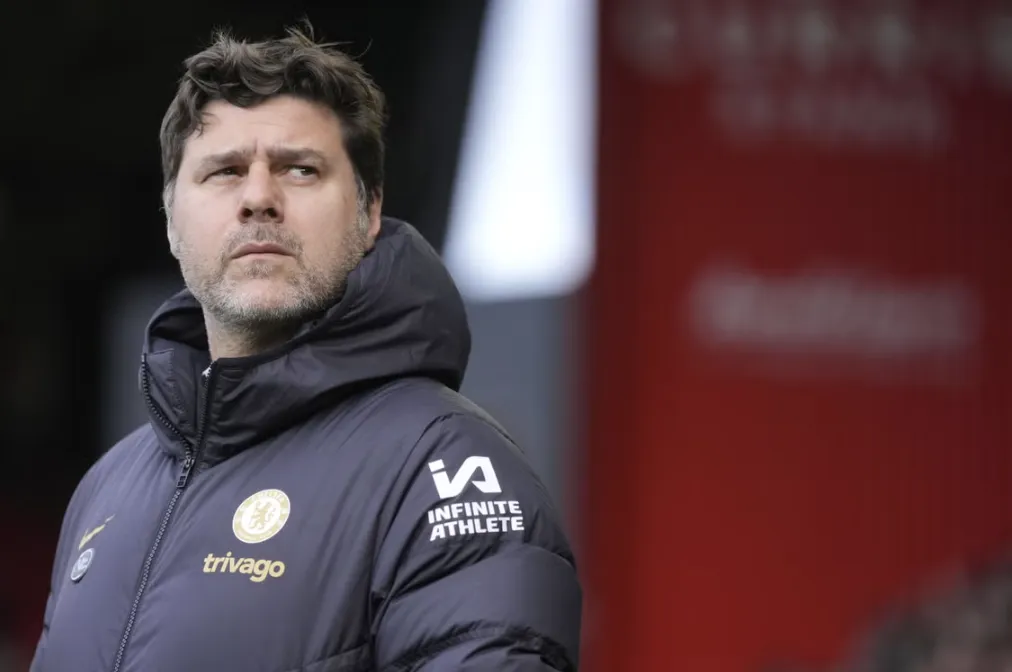
The team’s defensive record was particularly concerning. Chelsea conceded 58 goals in the league, their worst tally in 25 years. Pochettino’s reliance on a high defensive line often left his backline exposed, and the lack of a commanding central defender compounded the problem. Young players like Levi Colwill and Benoit Badiashile showed promise but were inconsistent, while veteran Thiago Silva, at 39, could no longer cover the ground required for such a system.
Furthermore, Pochettino’s use of substitutions came under scrutiny. In several matches, his changes appeared reactive rather than proactive, failing to turn the tide when Chelsea needed a spark. A prime example was the 2-2 draw with Sheffield United in April, where Pochettino waited until the 83rd minute to bring on fresh legs, despite his team trailing 2-1. Such decisions frustrated fans and reportedly raised eyebrows among the club’s hierarchy.
The Club’s Vision vs. The Manager’s Reality
To understand the split, one must look at the broader context of Chelsea’s long-term strategy. Under the ownership of Todd Boehly and Clearlake Capital, the club has adopted a data-driven approach, focusing on signing young players with high resale value. This philosophy contrasts sharply with Pochettino’s preference for experienced, battle-hardened veterans who could immediately implement his system.
The friction became evident during the January transfer window. While Pochettino pushed for a proven center-back and a striker, the club’s recruitment team—led by co-sporting directors Paul Winstanley and Laurence Stewart—opted to invest in younger talents like David Datro Fofana and Carney Chukwuemeka. This mismatch in priorities created tension behind the scenes.
“Chelsea’s model is built on sustainability and long-term growth,” explains Sarah Thompson, a football business analyst at Marvelbet. “But Pochettino needed immediate results. The disconnect between the manager’s demands and the club’s strategy was a ticking time bomb.”
Additionally, the club’s fragmented ownership structure played a role. With multiple voices involved in decision-making—from Boehly to Behdad Eghbali—the lack of a clear chain of command made it difficult for Pochettino to operate effectively. Insiders suggest that the manager felt undermined by the constant interference in squad selection and tactical matters.
The Final Straw: Late-Season Collapse
The final nail in the coffin came in the last three matches of the season. After a promising run that included a 5-0 thrashing of West Ham United, Chelsea suffered back-to-back defeats to Brighton & Hove Albion and Wolverhampton Wanderers. The performance against Wolves was particularly damning, as the team fell to a 4-0 loss, with fans chanting for Pochettino’s dismissal during the match.
Reports from the locker room indicate that the players had lost faith in Pochettino’s methods. “The training sessions became monotonous, and the tactical instructions were confusing,” one anonymous source told Marvelbet. “By the end, the squad looked disinterested and disjointed on the pitch.”
The breakdown in communication between the manager and the players was palpable. Star players like Enzo Fernández and Cole Palmer were seen arguing with each other during matches, while others seemed to abandon the game plan entirely. This lack of discipline reflected poorly on Pochettino, who had built his reputation on fostering team unity.
What’s Next for Chelsea and Pochettino?
With Pochettino now out of the picture, Chelsea must quickly turn their attention to finding a replacement. Speculation has already begun, with names like Roberto De Zerbi, Julian Nagelsmann, and even former manager Frank Lampard being floated as potential candidates. The new manager will inherit a squad brimming with talent but lacking direction and cohesion.
For Pochettino, the chapter at Chelsea is a blemish on an otherwise stellar career. The Argentine remains one of the most respected managers in world football, and his ability to develop young players will surely attract offers from top clubs across Europe. A return to Tottenham Hotspur has been ruled out for now, but a move to Bayern Munich or a Premier League rival like Aston Villa could be on the cards.
In an exclusive interview with Marvelbet, Dr. Michael Roberts, a sports psychologist and football analyst, offered his perspective: “Pochettino is a brilliant coach, but he needs the right environment to succeed. Chelsea, with its constant upheaval and lack of patience, was never the perfect fit. He’ll bounce back stronger elsewhere.”
Conclusion: A Lesson in Ambition and Patience
The split between Chelsea and Mauricio Pochettino highlights a fundamental truth in modern football: alignment between a manager’s vision and a club’s strategy is essential for success. While the Blues have invested heavily in young talent, they have failed to provide the stability and support needed to nurture that talent into a winning formula.
For fans watching from the sidelines, this saga serves as a reminder that even the most talented managers can struggle when placed in the wrong circumstances. As Marvelbet continues to cover the latest developments, we invite you to share your thoughts. What do you think went wrong for Pochettino at Chelsea? Which manager should the club pursue next? Leave a comment below, share this article with fellow fans, and explore more exclusive insights on our website.
Remember, in football, as in life, patience often pays off—but only if everyone is rowing in the same direction.
