

Is it possible to spend millions and still end up at the bottom? In the high-stakes world of the Premier League, a hefty transfer budget is no guarantee of success. While clubs like Manchester City and Liverpool have perfected the art of turning cash into trophies, others have proven that money can’t buy class—or points. In this exclusive analysis, Marvelbet breaks down the ten most disappointing Premier League teams when measured against their colossal spending. We’re not just looking at losses; we’re looking at wasted potential, questionable tactics, and squads that performed far below their price tags.
The Benchmark: Spending vs. Performance
To understand which teams underperformed the most, we must first establish what constitutes a “failure” relative to financial input. A club that spends £200 million and finishes 5th might be seen as a disappointment, but one that spends similar amounts and fights relegation is a catastrophe. This analysis focuses on the gap between squad cost and final league position, highlighting clubs where the boardroom’s investment was not reflected on the pitch. The data reveals a stark reality: throwing money at a problem does not always solve it, and for some clubs, it creates an even heavier burden of expectation.
Methodology: More Than Just a Price Tag
Our ranking considers several factors beyond the sheer total spent. We examine the net spend over a defined period, the wages-to-turnover ratio, and the market value of the starting XI at the beginning of the season. What emerges is a pattern of poor recruitment, managerial instability, and a lack of tactical identity. Let’s explore the case studies that serve as a cautionary tale for any club owner.
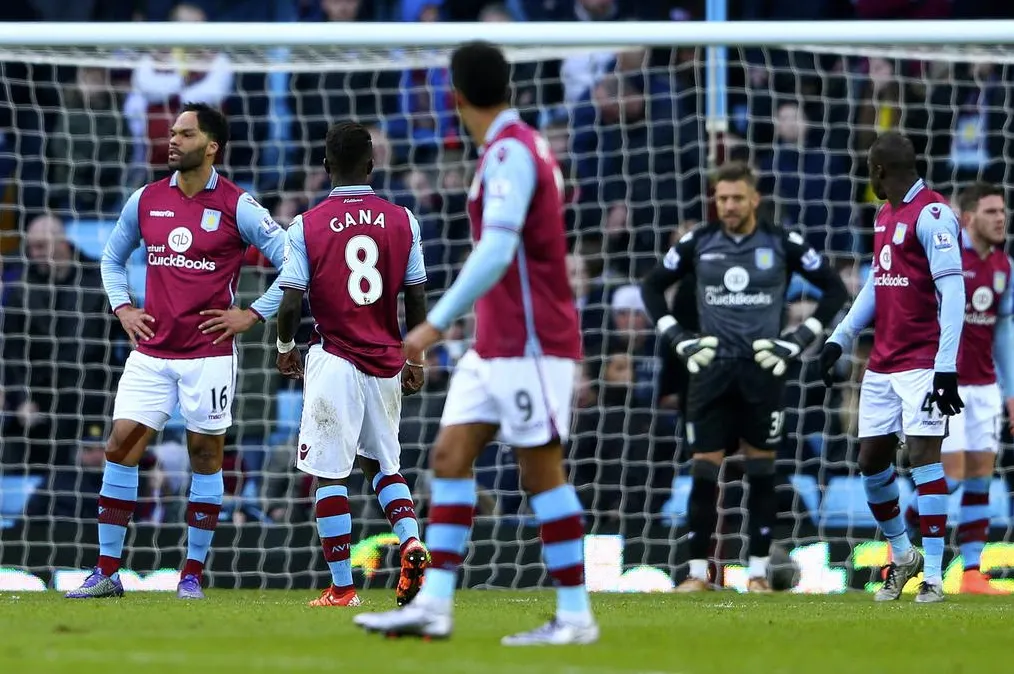
1. The Relegation-Rivalry Rollercoaster: A Case of Overspending
The most glaring examples often come from clubs who, fresh off a takeover or a surge in revenue, attempt to buy their way into the top half but end up in the Championship. A classic example involves a historic Midlands club that, after a few seasons of mediocre finishes, decided to completely overhaul its squad. They spent heavily on high-wage veterans and unproven young talents, paying over the odds without a clear plan.
The Recruitment Blunders
This team embarked on a transfer spree that saw them bring in five or six new starters in a single summer. The problem wasn’t just the money; it was the lack of synergy. They bought a creative midfielder without a defensive partner, a pacey winger who couldn’t cross, and a goal-scorer who was isolated without service. Marvelbet observed that the team’s tactics failed to evolve, leaving these expensive players to struggle in a rigid system. The result was a disjointed squad that played like strangers, ultimately leading to a shock relegation, despite having a squad worth over £250 million.
2. The “Big Six” Pretenders: Spending Like Champions, Finishing Like Minnows
Another category of underperformance comes from clubs within the established “Big Six” or those trying to break into it. One particularly painful example is a London club that consistently outspends most of the league but has repeatedly finished outside the Champions League places. Their fall from grace is a masterclass in how not to build a winning team.
High Wages, Low Returns
The issue here wasn’t transfer fees alone but crippling wages. The club handed out massive contracts to underperforming stars, creating a squad that was expensive to maintain but low on output. Their manager tried to implement a high-press style, but the players were either too slow, too uninterested, or tactically ill-equipped. While their rivals were building cohesive units, this team was a collection of expensive individuals. The result? A series of mid-table finishes that felt like relegation given their financial outlay. It’s a clear lesson: paying a player £300k a week doesn’t automatically make him a £300k-a-week player.

3. The “Defensive Disaster” Clubs
A common thread among the worst value-for-money teams is a catastrophic defense. You can spend £80 million on defenders, but if you can’t organize them, you’ll still get relegated. Several clubs have fallen into this trap, spending big on center-backs and goalkeepers who individually might have been talented but collectively formed a sieve.
The Communication Breakdown
One notable example saw a club invest heavily in a complete back four and a new goalkeeper, only to concede over 60 goals that season. The issue was tactical: the midfield was non-existent, leaving the defense exposed. The full-backs were told to bomb forward, leaving gaping holes behind them. The high line was poorly implemented, leading to countless one-on-one chances for opponents. It’s a stark reminder that a defense is not just four players; it’s a system. Spending money on personnel without a coherent defensive strategy is like building a sandcastle waiting for the tide to come in.
4. The Managerial Carousel Effect
Perhaps the most destructive factor to a club’s spending efficiency is a rapid turnover of managers. When a new manager comes in every six months, he wants to buy “his” players. The previous manager’s signings are discarded, leading to a cycle of constant squad turnover. This creates a situation where the club is paying wages for multiple squads at once—the outgoing manager’s players, the current manager’s new signings, and the loaned-out stars.
The Financial Waste
We have seen a club spend over £150 million in two seasons across two different managers with completely opposing philosophies. The first wanted a possession-based system, buying technical midfielders. He was fired, and the next manager wanted a direct, counter-attacking style, so he bought burly strikers and fast wingers. The result? A squad with no identity, a massive wage bill, and a finish in the bottom half of the table. The money was spent, but the vision was entirely lost.
5. A Summation of Wasted Potential
The “Worst Relative to Spending” list is not just about relegation; it’s about failing to meet expectations. It includes clubs that, despite having squads worth hundreds of millions, look tactically bankrupt and mentally fragile. They spend like a top-four team but defend like a relegation candidate.
Lessons for the Future
So, what can be learned from these expensive failures? First, a successful strategy requires a clear philosophy from the boardroom to the pitch. Second, recruitment must be aligned with the manager’s tactics. Buying the best player available is useless if he doesn’t fit the system. Third, building a culture of accountability and hard work is more important than a big transfer fee. The Premier League offers no discounts for expensive mistakes; the bottom line remains points on the board.
Final Verdict from Marvelbet
After analyzing the data, it’s clear that the most expensive flops share a common trait: a lack of coherent planning. They rely on the hope that a big name will solve a systemic problem. But football is not a math equation where £100 million = Champions League qualification. It requires chemistry, tactical discipline, and a strong mental fortitude.
Thank you for reading this in-depth analysis by Marvelbet. We hope this breakdown helps you understand the complexities behind a club’s performance. Have you witnessed a team that perfectly fits this description? Share your thoughts in the comments below! Which overpriced squad do you think was the most disappointing? Don’t forget to explore our other articles for more expert opinions on the beautiful game.
